

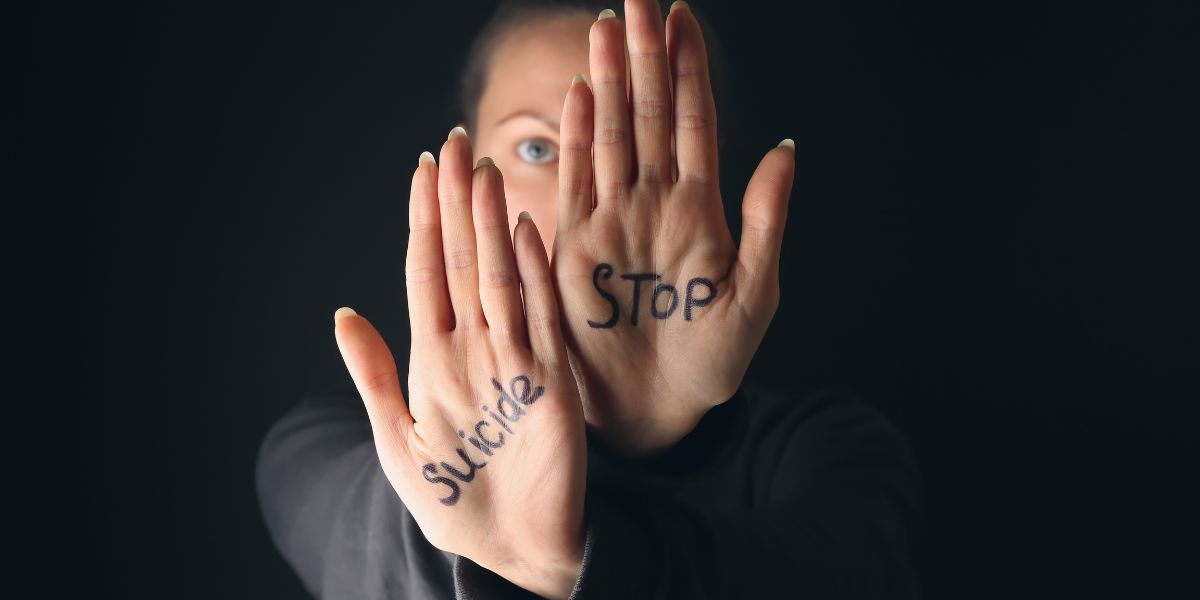
A pressing issue concerning mental health has garnered significant attention and concern in recent years—suicide. The escalating number of reported cases over the past decade is deeply troubling.
Were you aware that, per data shared by the World Health Organization (WHO), someone dies by suicide every 40 seconds? This tragic occurrence knows no age limits, but distressingly, recent statistics indicate that suicide rates have surged, particularly among the youth.
The profound psychological impact of suicide extends beyond the immediate family and friends of the person who makes this tragic decision. It casts a ripple effect upon society, compelling us to reflect on how we might have intervened and averted such a sorrowful event.
This sobering reality has prompted global organizations like the WHO and PAHO, mental health experts, patient advocacy groups, and families to engage in more open discussions about suicide. They provide diverse perspectives and strive to unearth prevention alternatives.
Though substantial strides have been taken, there remains a considerable journey ahead. It is imperative that authorities recognize the urgency of implementing enhanced prevention programs for those at risk and that communities are sensitized to mental health matters—areas where misunderstandings and stigmatization often persist.
Acknowledging the complexity of this predicament is vital, encompassing cultural, environmental, biological, psychological, and societal factors, each necessitating meticulous analysis to achieve desired outcomes.
Depression and alcohol abuse are pivotal yet treatable risk factors for suicide. Today, we possess efficacious antidepressant treatment options, enabling patients to enhance their quality of life and return to being productive, emotionally stable individuals.
Similarly, interventions and addiction programs targeting substance misuse, such as alcohol, are available to assist in halting such behavior, thereby enabling individuals to reclaim control of their lives.
Recently, I came across a publication in the esteemed American Journal of Psychiatry, renowned in psychiatry, spotlighting a study involving 103 patients diagnosed with major depressive disorder, insomnia, and suicidal ideation. These patients were already receiving treatment for depression and were additionally administered medication to improve their sleep. The study concluded that enhanced sleep significantly bolsters our cognitive processing and ability to navigate daily tasks—a finding well-documented in psychiatry.
A crucial takeaway is that suicidal thoughts and insomnia are symptoms of depression. It is analogous to having a throat infection resulting in fever and painful swallowing; here, the fever and pain are symptoms of the infection. The fever and pain rapidly diminish if we employ an antibiotic to treat pharyngotonsillitis.
Similarly, addressing suicidal thoughts and insomnia—through timely antidepressant use—can yield improvement. In certain instances, as seen in the study above, pairing an antidepressant with a sleep aid may be necessary. In essence, targeting depression serves to address the core issue.
In conclusion, I would like to convey this message: In many instances, suicide can be averted. All of us can contribute by recognizing warning signs in ourselves, family members, or friends:
Expressing thoughts of suicide, for instance, phrases like “I wish I were dead” or “I want to end my life.” Gaining access to means for self-harm, such as procuring a firearm or amassing pills. Preferring solitude, distancing from social interactions, and experiencing mood fluctuations, veering from euphoria to profound despondency. Voicing concerns about death, dying, or violence. Feeling trapped or overwhelmed by circumstances. Escalated substance use, including alcohol. Altering regular routines, impacting eating and sleep patterns. Engaging in hazardous or self-destructive behaviors, like substance abuse or reckless driving. Dispensing possessions or organizing personal affairs inexplicably. Bid farewells as though one will not be seen again. Manifesting personality shifts, extreme anxiety, or agitation—especially in conjunction with the earlier warning signs.
Lastly, comprehending the current state of suicide in our communities, identifying indicators among our loved ones, and recognizing the sobering reality of the fast-paced, emotionally neglecting society we inhabit—all contribute to grasping the severity of issues such as depression, alcohol consumption, and suicide attempts, which are alarmingly on the rise. The encouraging news is that we can work toward resolution by acknowledging the problem and seeking timely assistance.
